
Week of September 6, 2026 – September 12, 2026
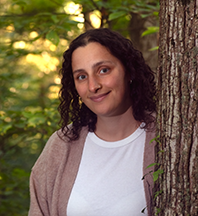
by Amelia Gross, Environmental Educator
Even though I firmly believe fall is the best season, the return of Halloween candy on the shelves and the onslaught of back to school commercials in early August never fails to anger me. “It is too soon!” I want to shout. Summer always goes too quick, and I’ve learned that no matter how old you get, saying goodbye to 8PM sunsets and days without jackets is never easy.
We can try to cling on, but the transition from August to September at Baltimore Woods is hard to ignore. In a matter of days the camp supplies have been stowed away, planning for the first Nature in the City (NITC) lessons is in full swing, and the preserve is much quieter than last week. We’re preparing to once again have students, not campers, exploring the Woods.
In the midst of mourning the end of summer, I have been getting excited for the next season by working on updates for one of our fall Nature in the City lessons. Early in the school year, we visit first graders to support their Air & Weather unit with a fun, hands-on lesson.
Our visits to the first graders begin just as the weather starts to cool and they are getting back into the grove of school. Having only finished Kindergarten, the cycle of a school year, and even more large scale, the cycle of the seasons, is fairly new to these kids. In the past version of this lesson, we have briefly discussed how the weather might look in each season, but found these concepts to be challenging to many students.
So, this year we are experimenting with taking the lesson a step back. Instead of jumping in with questions like “Is summer hot or cold?” we are asking “What are seasons and why do we have them?” and helping the students understand. After talking about each season we will go on an outdoor search for signs of fall. By observing changing leaves, feeling colder temperatures, and hopefully seeing some animals preparing for winter, students can connect to both nature and the current season. In the following visits to their classrooms, we will continue to make seasonal connections through lessons on maple syrup in the winter and seed dispersal in the spring.
Thinking about all the discoveries we will guide students to make and the joy of watching the world change around us has reminded me that it is ok to let summer go. As we will teach a new group of students, it will come back again next year.