

Week of October 4, 2026 – October 10, 2026
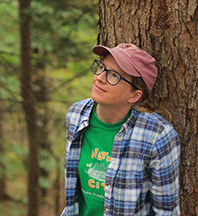
by Anna Stunkel, Environmental Educator
When you think of fall colors in Central New York, changing leaves might be the first thing that comes to mind. If you venture out into local meadows, you will notice another source of vibrant colors– flowers! Fall is one of the busiest times for native plants and pollinators. Over the past few years, the meadow that’s traversed by our Meadow and Bluebird Trails has transformed from a cornfield into a diverse environment filled with goldenrod, purple and white asters, and grasses.
This is a perfect opportunity for our fifth grade Ecosystem Exploration field trips to learn about field ecosystems. After exploring the Harrison Trail and surrounding forest, I enjoy bringing students around the Meadow Trail. Here, they use different senses to get to know our meadow. We look at the bright colors of flowers and insects, listen to sparrows and crickets calling, smell the scent of autumn, and feel soft thistle seeds as we toss them into the air.
I haven’t found any yet, but fall is also a great time to discover praying mantises hunting among the wildflowers. I remind students that bees are very busy here, but that they are more focused on drinking nectar and pollinating than worrying about what we are doing. On warm and sunny days, butterflies like sulphurs and Monarchs can be especially active. We might even be lucky enough to catch a few crickets or grasshoppers gently in our hands.
The open expanse of sky provides a good chance to look for Turkey Vultures, hawks, and eagles soaring overhead. Down among the flowers, migrating songbirds like American Goldfinches and Song Sparrows are busy eating seeds. Sometimes birds of prey and bluebirds might perch on the wires or our deer fence, too.
There are many concepts related to ecosystem function that we can learn about in our meadow. Seed dispersal, pollination, food webs, and habitat management are all going on. The beautiful colors and variety of living things here helps to draw students in, as does the welcoming warmth of the sun.
Take a stroll in a local field and see what you might discover before fall colors fade to grayer and browner hues.