Week of June 7, 2026 – June 13, 2026
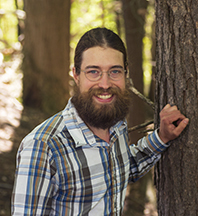
by David DuBois, Director of Stewardship
Tomorrow marks the start of New York’s Invasive Species Awareness Week. This week is a reminder of the risks that invasive species pose to the environmental health of the state and also motivate us to help reduce the effects that invasive species have. Invasive species, by definition, are organisms that have come to an area from other parts of the world by humans and have negative environmental or economic effects.
One ubiquitous invasive plant in Central New York is Garlic Mustard. This biennial mustard was brought to North America from Europe in the late 1800s for its culinary uses. Now, more than 150 years later, it is abundant in our woodlands where it alters forest soils and crowds out native plants. It also poisons the caterpillars of the increasingly rare West Virginia White butterfly which do not differentiate between Garlic Mustard and its native host plant, toothwort, when laying their eggs.
What lessons can we take from understanding how garlic mustard came to be a problem in our forests? First, moving species across oceans has potential for major negative effects and should be avoided. From horticulture, to erosion control, to forage, many of today’s invasive species came to this continent intentionally by people who did not understand or did not care about the risks that they present to the ecosystem. These introductions have, and continue to, risk the stability and future of our natural heritage: the species that have existed in this country since time immemorial.
Garlic Mustard can also be a motivation for how we can help places that have been impacted by invasive species. Here at Baltimore Woods, we have seen reductions in our Garlic Mustard in spots with intensive removal work. We have also experimented with various ways to minimize its cover to help make our restoration more efficient and more effective. We have also been planning for Garlic Mustard, by planting native species when we disturb soil to reduce the opportunity for garlic mustard to take root as we are doing restoration on the property.
What lessons can we take away from a better understanding of Garlic Mustard? Do not introduce or spread non-native species in your landscape, or the mud on your boots. Even species which are already present in a region can create major ecological issues in places that they have not been introduced to. Do your best to keep your property from spreading invasives throughout your community. Finally, you can join or support groups that are restoring places impacted by invasive species in your community such as the TREES Crew here at Baltimore Woods.